Trades
Find an electrician you can trust
Electrical work is one job you never want to cut corners on. We match you with one licensed local sparky who turns up, does it right, and signs off on the work.
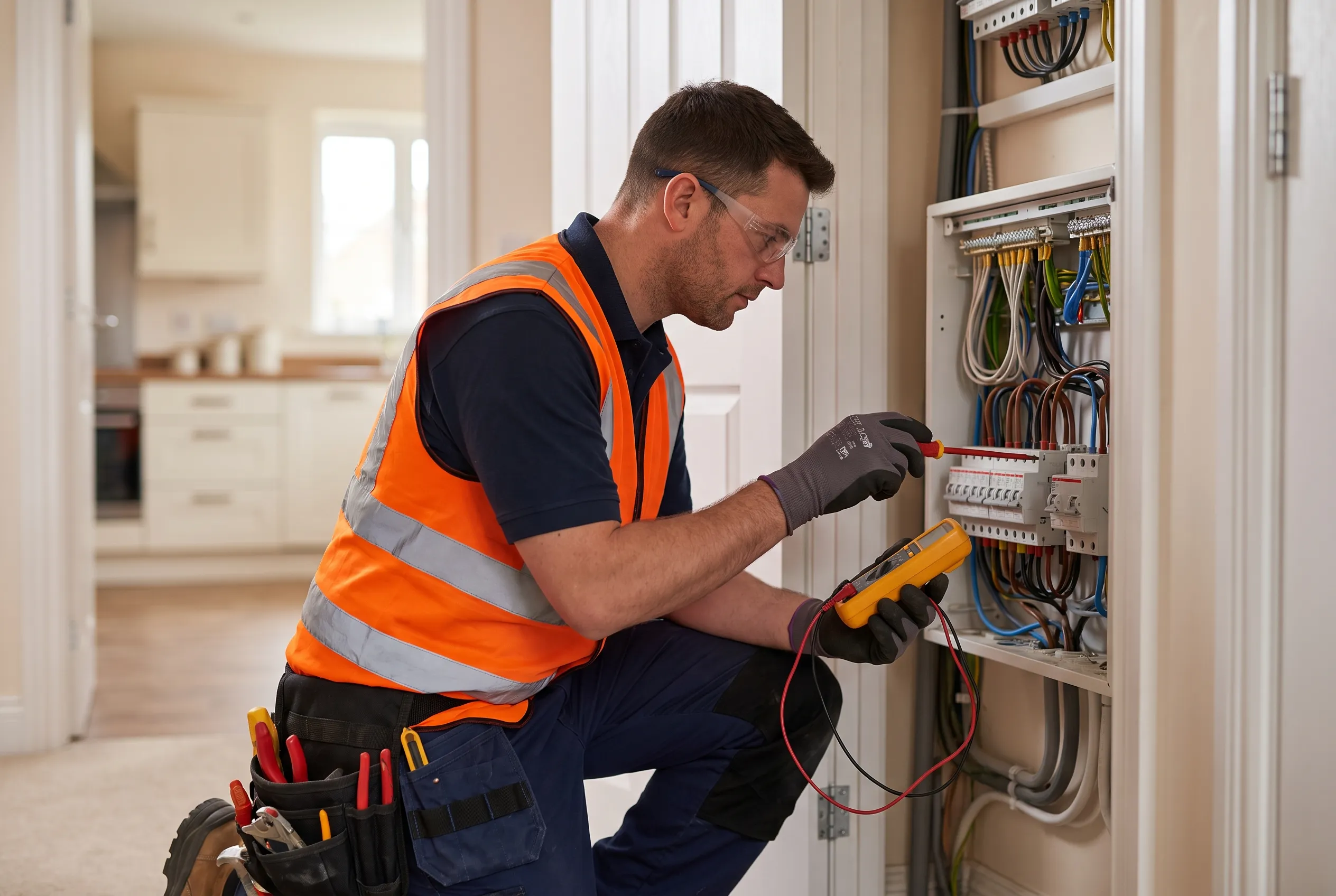
What an electrician can do
- Extra power points and USB outlets where you actually need them
- Light fittings, downlights and ceiling fans
- Switchboard upgrades and replacing old ceramic fuses
- Installing safety switches (RCDs) and smoke alarms
- Fault finding when lights flicker or the power keeps tripping
- EV charger installation for your driveway or garage
- Rewiring and new circuits for renos and extensions
- Hooking up ovens, cooktops, hot water and air con
When to call an electrician
Some jobs around the house you can have a crack at yourself. Electrical work is not one of them. The moment you’re dealing with fixed wiring, anything connected behind the wall or in the roof, it’s time to call a licensed sparky.
Call one when you want extra power points, new downlights or a ceiling fan put in. Call one when the lights flicker, the power keeps tripping, or there’s a faint burning smell near a switch (turn it off and ring straight away on that one). And definitely call one when you’re upgrading an old switchboard, adding a safety switch, or wiring in an EV charger for the driveway.
Renovating or extending? You’ll want a sparky involved early to plan circuits, lighting and where everything lands before the walls go up.
What to check before you hire
The single most important thing is a current electrical licence. Every state and territory requires fixed electrical work to be carried out by a licensed electrician, and there are no exceptions to that. You can check a licence through your state regulator, for example Building Commission NSW, Energy Safe Victoria, or the Electrical Safety Office in Queensland. The body has a different name in each state, so our licence checks page lists the right lookup for where you live.
Beyond the licence, look for:
- Public liability insurance, so you’re covered if a job goes sideways.
- A certificate of compliance for the finished work. A good sparky provides this as a matter of course.
- An ABN and a clear written quote.
- Real reviews from local jobs.
A quick word on safety switches. These little devices (RCDs) trip the power almost instantly when they sense a fault, and they’re one of the best defences against a deadly shock. If your board still runs on old ceramic fuses with no safety switches, ask your electrician about it. It’s a small upgrade that genuinely protects your family.
And please, never let anyone unlicensed touch your wiring, and never DIY it yourself. It’s illegal, it can void your home insurance, and people have died doing it. Not worth it.
What it costs
Most electricians charge around $90–$140 an hour in business hours, plus a call-out fee of about $80–$150. After-hours and emergency work typically runs $150–$300 an hour. Plenty of sparkies give a fixed price once they’ve seen the job, which makes quotes easier to compare.
As a guide for common jobs:
- Add a power point: around $150–$350
- Install or replace a light fitting: around $100–$300
- Install LED downlights: around $80–$150 per light
- Install a ceiling fan: around $150–$400, plus the fan
- Install a safety switch (RCD): around $120–$300
- Upgrade a switchboard: around $800–$2,500
Sydney usually sits at the top of the range. Older boards with asbestos backing, new mains or a lot of cable through double brick all push a job up. These are a guide, not a quote, so read our electrician cost guide for more jobs and city-by-city notes, then get a free quote for your exact situation.
How needatradie matches you
We’re not a directory, and we won’t sell your details to five businesses who then hound you. You tell us what you need, and we match you with one local electrician whose licence, insurance, ABN and reviews we’ve already checked.
One good sparky. Not five sales calls. Want to dig deeper first? Browse our guides or learn how tradie licences work in your state.
When you’re ready, get a free quote and we’ll line you up with a licensed local who’ll do it properly.
Electricians: common questions
Do I really need a licensed electrician, or can I do it myself?
How much does an electrician cost?
How do I find a good electrician?
What is the difference between a Level 1 and Level 2 electrician?
What is a safety switch and do I need one?
How quickly can someone come out?
Will I get paperwork for the work?
Ready when you are
Need an electrician? Tell us about the job.
Free, no obligation, no spam, and no calls until you say so.