Trades
Find a plumber you can trust
From a dripping tap at 6am to a dead hot water system, a good plumber sorts it without the drama. We match you with one licensed local who actually turns up.
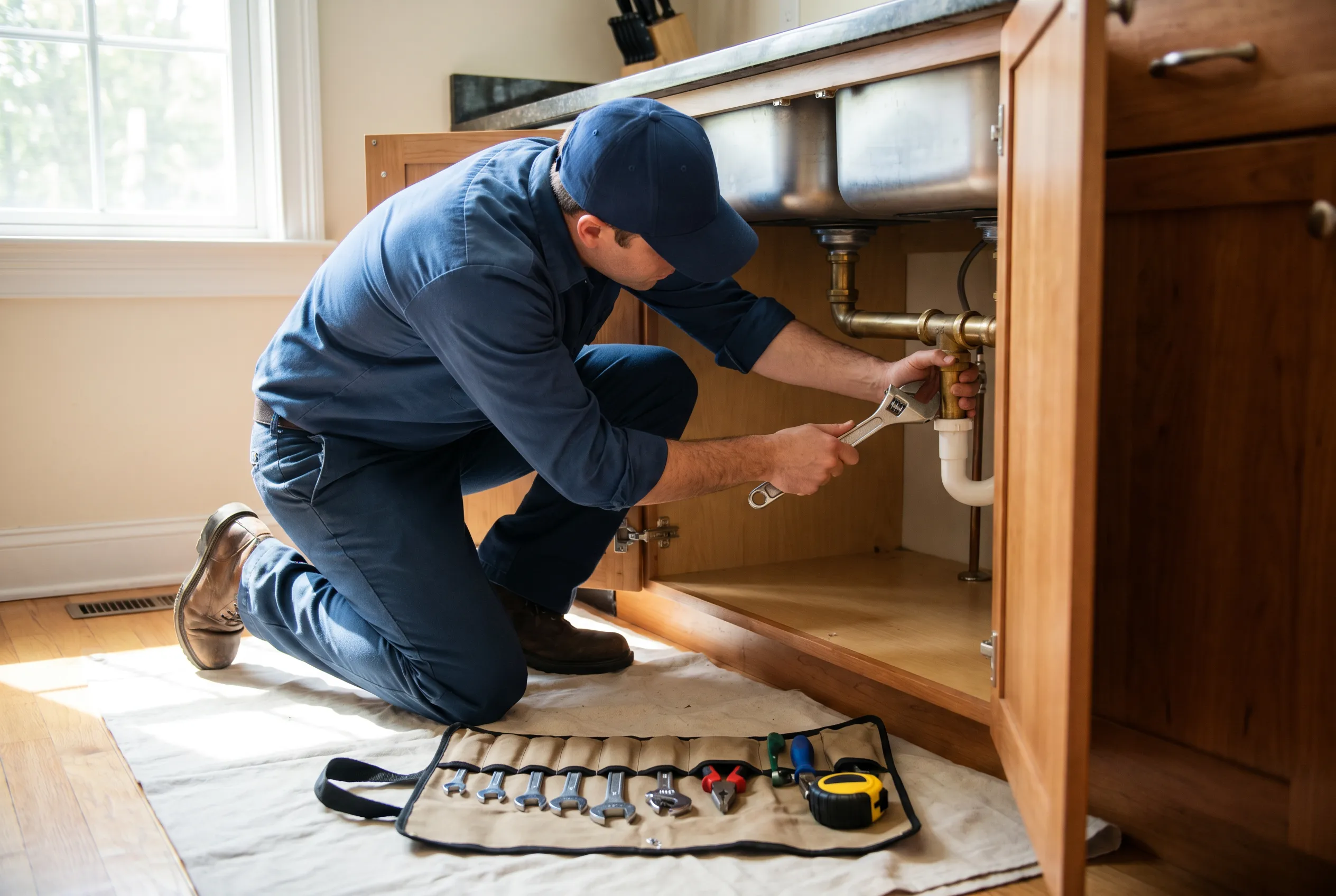
What a plumber can do
- Leaking or dripping taps and mixers
- Blocked drains, toilets and stormwater pipes
- Hot water system repairs, swaps and new installs
- Toilet repairs, cistern issues and new toilet installs
- Burst or leaking pipes and emergency shut-offs
- Leak detection and finding the cause of damp or high water bills
- Dishwasher, washing machine and fridge water connections
- Gas fitting and gas appliance connections (with the right gas licence)
When to call a plumber
Some plumbing jobs can wait. Plenty can’t. If you’ve got a burst pipe, water coming through the ceiling, a blocked drain backing up, or no hot water in the middle of winter, that’s a call worth making now. The longer water sits where it shouldn’t, the more damage it does, and the bigger the repair bill gets.
Other jobs are the slow-burn kind. A tap that drips, a toilet that runs, a shower that’s lost its pressure, a hot water system that’s getting tired. None of those are emergencies, but they waste water, push up your bills, and tend to get worse if you leave them. Those are perfect for a planned visit, which usually works out cheaper than an after-hours call anyway.
A good plumber handles both ends of that. Here’s the kind of work they take on day to day:
- Fixing leaking taps, mixers and dripping pipes
- Clearing blocked drains, toilets and stormwater
- Repairing, replacing or installing hot water systems
- Sorting toilet repairs and full toilet installs
- Leak detection when you can’t find where the water’s going
- Connecting dishwashers, washing machines and other appliances
- Gas fitting and gas appliance work, with the right gas licence
What to check before you hire
This is the part people skip, and it’s the part that matters most. Plumbing is licensed work in every state and territory in Australia. That means whoever does the job needs a current plumbing licence, full stop. The licensing body changes depending on where you live (Building Commission NSW, the Building and Plumbing Commission in Victoria, the QBCC in Queensland, and so on), and so do the licence classes. Our licence checks page has the right lookup for every state, and it takes about two minutes.
A few things worth confirming before you say yes:
- Plumbing licence. Current, and valid for your state. Don’t be shy about asking for the number and looking it up.
- Gas licence. If there’s any gas work, gas hot water, a cooktop, a heater, they need a separate gas licence or authorisation. Gas isn’t something to take a chance on.
- Public liability insurance. This covers you if something goes wrong during the job.
- Call-out fee. Ask what it is before they come out, not when they hand you the bill.
- After-hours rates. If you’re calling at night or on a weekend, find out the rate first.
Want the bigger picture on how licensing works across the trades? Our guide on tradie licences breaks it down state by state.
What it costs
Most plumbers charge around $90–$150 an hour in business hours, plus a call-out fee of about $80–$200 that covers getting to you and starting the job. After-hours and emergency work typically runs $150–$300 an hour. Some plumbers quote a flat price for common jobs like a toilet swap or a standard hot water install, which is easier to compare.
As a guide for common jobs:
- Fix a leaking or dripping tap: around $120–$300
- Unblock a sink, shower or toilet: around $150–$400
- Clear a blocked sewer or stormwater drain: around $250–$700, with a camera inspection extra
- Replace a toilet suite: around $300–$900 in labour, plus the toilet
- Replace a hot water system: around $1,800–$4,500 installed
- Find and fix a hidden leak: around $300–$1,500
Sydney and Canberra sit at the top of the range, and regional areas often come in lower. These are a guide, not a quote. Our plumber cost guide has more jobs and how each city compares, and either way, get the call-out fee confirmed before anyone comes out.
How needatradie matches you
Here’s the bit we think makes the difference. You tell us what’s going on, we match you with one vetted local plumber. Not five. One. We’ve already checked their licence, their insurance, their ABN and their reviews, so you’re not the one doing the homework or fielding a pile of sales calls.
One good tradie, not five sales calls. We don’t sell your details around, and it’s free for homeowners. Browse our guides if you want to read up first, or get a free quote and we’ll line you up with a plumber who can actually help.
If the tap’s still dripping while you read this, that’s your sign. Get a free quote and we’ll sort you a good local plumber.
Plumbers: common questions
Do I really need a licensed plumber?
How much does a plumber cost?
How do I find a good plumber?
Is it an emergency or can it wait?
What are after-hours rates like?
How fast can someone come out?
Ready when you are
Need a plumber? Tell us about the job.
Free, no obligation, no spam, and no calls until you say so.