Trades
Find a tiler you can trust
A good tiler does more than make things look sharp. They get the waterproofing and the levels right so your bathroom or floor lasts for years, not months.
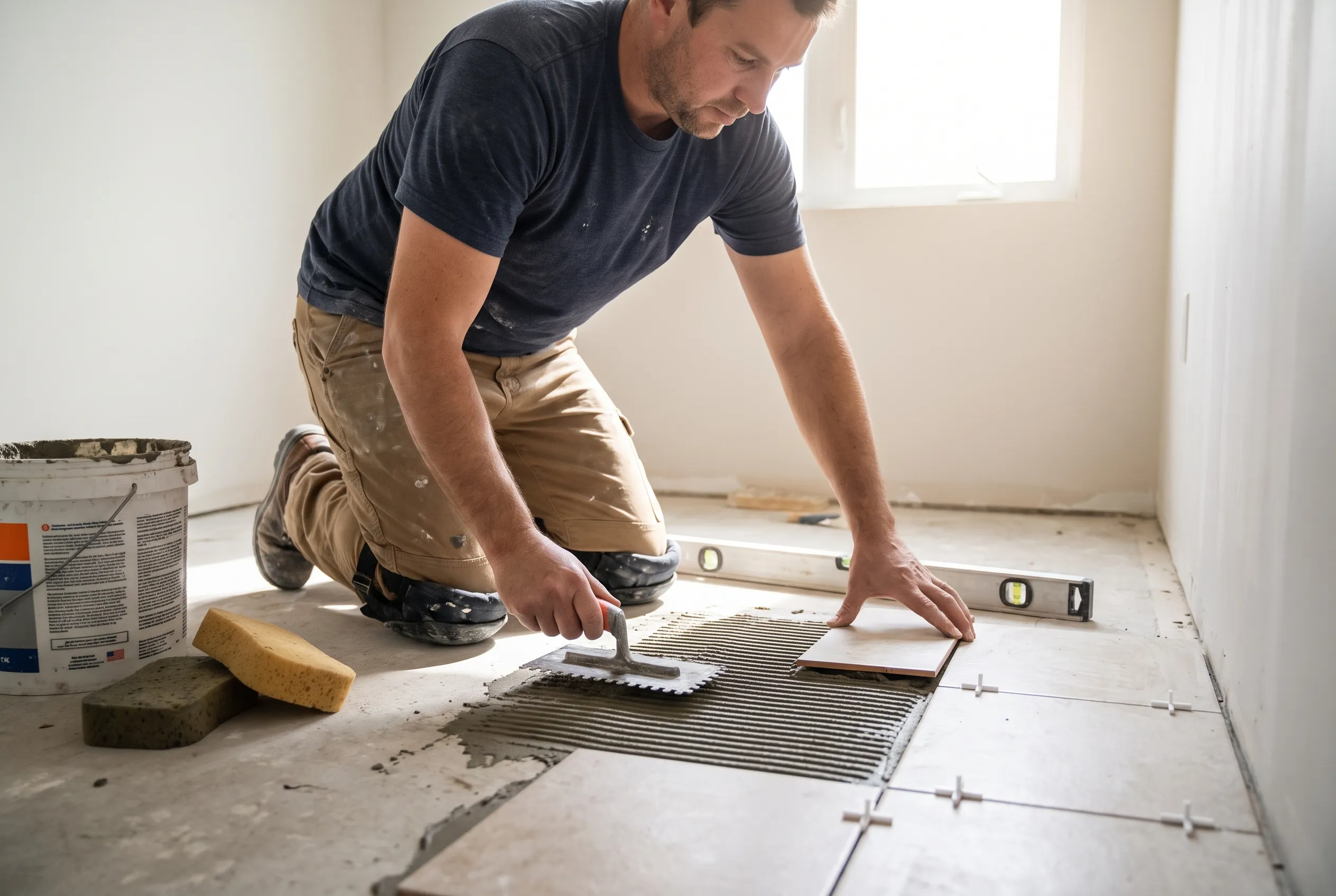
What a tiler can do
- Full bathroom retile, walls and floor
- Kitchen splashbacks and feature walls
- Floor tiling through living areas, hallways and laundries
- Waterproofing wet areas before tiling
- Re-grouting and re-sealing tired tiles
- Outdoor, patio and alfresco tiling
- Fixing drummy, cracked or lifted tiles
- Niche shelves, hobs and shower screens prep
When to call a tiler
Tiling is one of those jobs that looks simple from the outside and is anything but. If you can hear a hollow, drummy sound when you tap a tile, if grout is crumbling, or if water is creeping where it shouldn’t, it’s time to get a tiler in.
People usually call a tiler for:
- A full bathroom or ensuite retile
- A new kitchen splashback or feature wall
- Floor tiling through living areas, hallways or a laundry
- Outdoor and patio areas that need to handle the weather
- Re-grouting and re-sealing tiles that have seen better days
- Fixing cracked, lifted or drummy tiles before they spread
If it’s a brand new bathroom or a renovation, the tiler often works alongside your plumber and waterproofer, so good timing and communication matter just as much as a neat finish.
What to check and the licensing bit
Here’s the part most homeowners don’t think about until it’s too late: the waterproofing. The tiles you can see, but the membrane underneath is what keeps water out of your walls and floor. Get that wrong and you’re looking at mould, rotten timber and a repair bill that dwarfs the original job.
In some states, waterproofing wet areas has to be done by a licensed person or signed off to the relevant Australian Standard. The rules and thresholds vary by state, so check with your state’s building body (for example QBCC in Queensland, the VBA in Victoria, or NSW Fair Trading) and always ask your tiler a simple question: who does the waterproofing, and how is it certified? A straight answer is a good sign.
Beyond that, a few things worth checking:
- Public liability insurance, so you’re covered if something goes wrong
- The right adhesive and grout for your tiles and the surface they’re going on
- Level, even work with minimal lippage (those little raised edges between tiles)
- A sample of past work, ideally a wet area they’ve actually finished
You can read more about tradie licences and how to check them before anyone starts.
What it costs
Tiling prices swing a fair bit. A small splashback is a quick afternoon, while a full bathroom retile with strip-out and waterproofing is a multi-day job with a bigger price tag. The tiles themselves also make a real difference, large-format and natural stone cost more to buy and more to lay.
Rather than guess, have a look at our price guides for a sensible range, then get a written quote for your actual room. A proper quote should spell out prep, waterproofing, the tiling itself and rubbish removal, so there are no surprises at the end.
How needatradie matches you
We do the boring checks so you don’t have to. When you tell us about your job, we match you with one vetted local tiler whose licence, insurance, ABN and reviews we’ve already looked over. One good tradie, not five sales calls, and we don’t sell your details around.
You can find a tiler for your job, browse our guides for more tips, or jump straight in and get a free quote. It’s free for homeowners and there’s no pressure either way.
Ready when you are. Tell us about your tiling job and we’ll line you up with someone good.
Tilers: common questions
Do tilers need to be licensed?
How much does tiling cost?
How long does a bathroom retile take?
Why does waterproofing matter so much?
Can I just re-grout instead of retiling?
Ready when you are
Need a tiler? Tell us about the job.
Free, no obligation, no spam, and no calls until you say so.